Skip to content

Transitional kindergarten · TK/PK

CURIOUS MINDS. REAL CONNECTIONS. READY TO GROW.

Starbright TK connects big ideas to a child’s everyday world. Core Knowledge builds rich language and background knowledge, Singapore Math makes numbers tangible, and daily arts and social-emotional learning keep the whole child growing.

Campuses
San Jose Campus + Campbell Campus
School hours
7:30 AM–6:00 PM
Next step
Kindergarten
My younger son just started TK and runs into school each day, excited to share his art/projects, games he and his friends will invent and all yummy food.
Tatyana K. Starbright parent
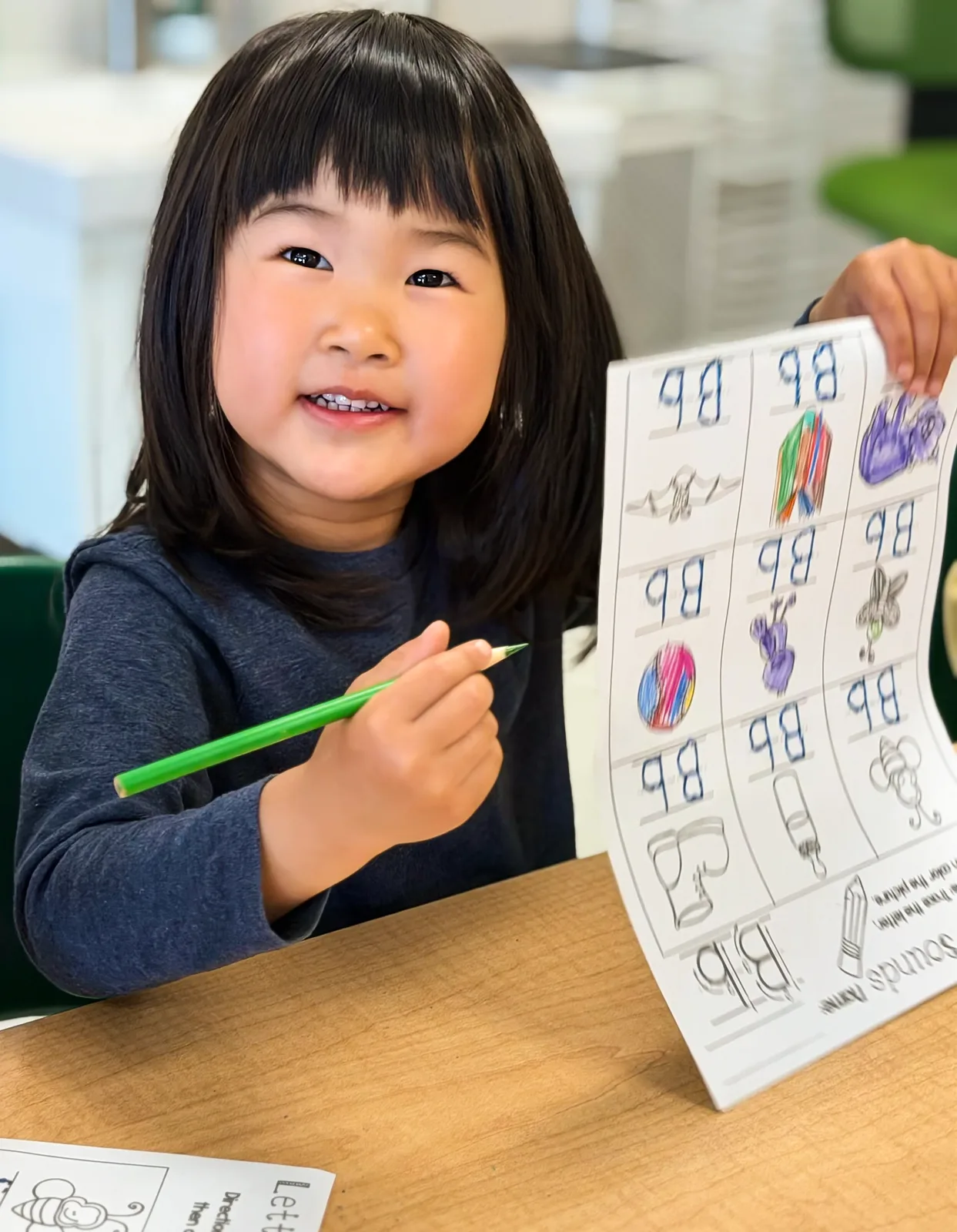
A smiling Starbright student holding up a letter worksheet she completed

Two frameworks, one connected journey

Understanding grows from more than memorizing.

TK is the bridge between preschool curiosity and the more structured work of kindergarten. Starbright brings two respected frameworks together so language, knowledge, and number sense reinforce one another throughout the day.

Core Knowledge

Stories and thematic domains give students something meaningful to talk about. Teachers introduce the vocabulary of each topic through conversation, books, questions, art, and play, helping children express increasingly complex ideas in their own words.

Singapore Math Dimensions

Mathematics begins with real objects and visible relationships. Students sort, compare, build patterns, and break small quantities apart before moving toward pictures and symbols, so early arithmetic rests on understanding.

They were always happy to share what they had learned during the day, and sometimes I was amazed at how much they already knew.
Masha R. Starbright parent
A smiling Starbright student practicing letter sounds with her teacher

Language in action

Words become tools for thinking.

Children need language to describe what they notice, ask better questions, and share a developing idea. Each Core Knowledge domain brings its own useful vocabulary into the classroom through natural conversation.

During a story, a teacher might model first, next, then, after, and end while also using author, title, character, and illustration. Students hear the words in context, try them aloud, and begin carrying them into their own speech.

The difference

This is deliberate language practice, not a vocabulary test. Children meet precise words while they are already absorbed in a story, question, project, or conversation.

Core Knowledge domains

Seven worlds worth talking about.

Each domain blends content knowledge with emerging literacy. The topic gives new words a purpose and gives every child something real to wonder about, discuss, draw, and remember.

  • All About Me
  • Families and Communities
  • Animals
  • Plants
  • Habitats
  • Classic Tales
  • Important People in American History

Singapore Math in TK

Numbers children can touch.

TK mathematics moves from concrete materials to pictures and then toward symbols. Children do not simply look at numbers on a page. They feel relationships, test ideas, and explain what they notice.

  1. 01 Match, sort, and classify
  2. 02 Compare objects and sets
  3. 03 Recognize and extend patterns
  4. 04 Explore numbers to five and ten
  5. 05 Use ordinal numbers
  6. 06 Investigate shapes and solids
  7. 07 Compose, decompose, and begin arithmetic
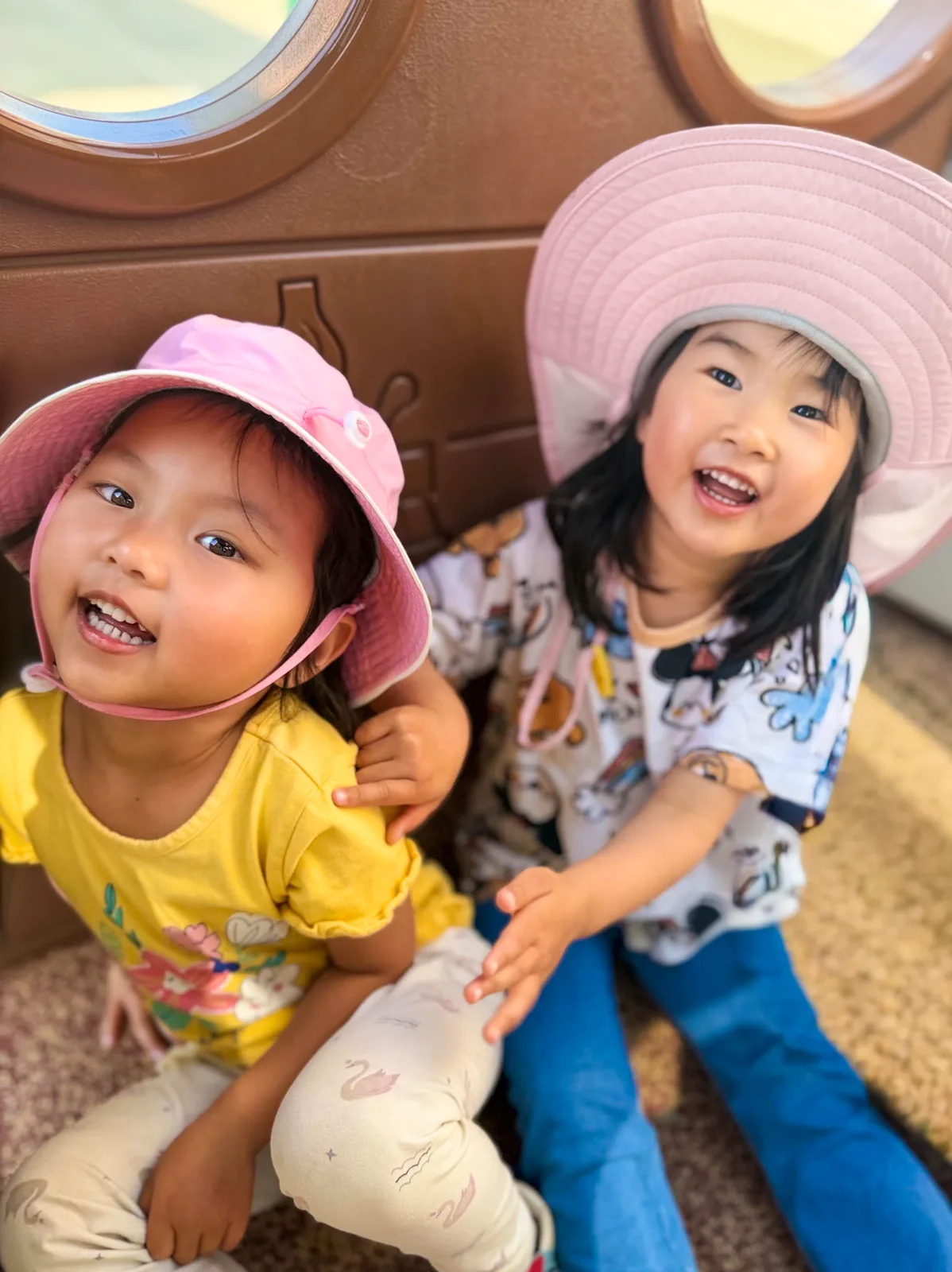
Two Starbright students in sun hats smiling together beside an outdoor playhouse

The whole child stays in the room

Ready for kindergarten without rushing childhood.

Daily social-emotional learning helps students name feelings, listen actively, make and maintain friendships, cooperate in a group, resolve conflict peacefully, and practice self-regulation.

Visual art and music give those same students more ways to observe, remember, coordinate, and express an idea. They draw, build simple sculptures, sing, keep a beat, and recognize musical patterns as part of the regular TK day.

The full day runs from 7:30 AM to 6:00 PM, with outdoor time, movement, rest, and four meals prepared onsite and included. Learning has room to breathe because the entire day works together.
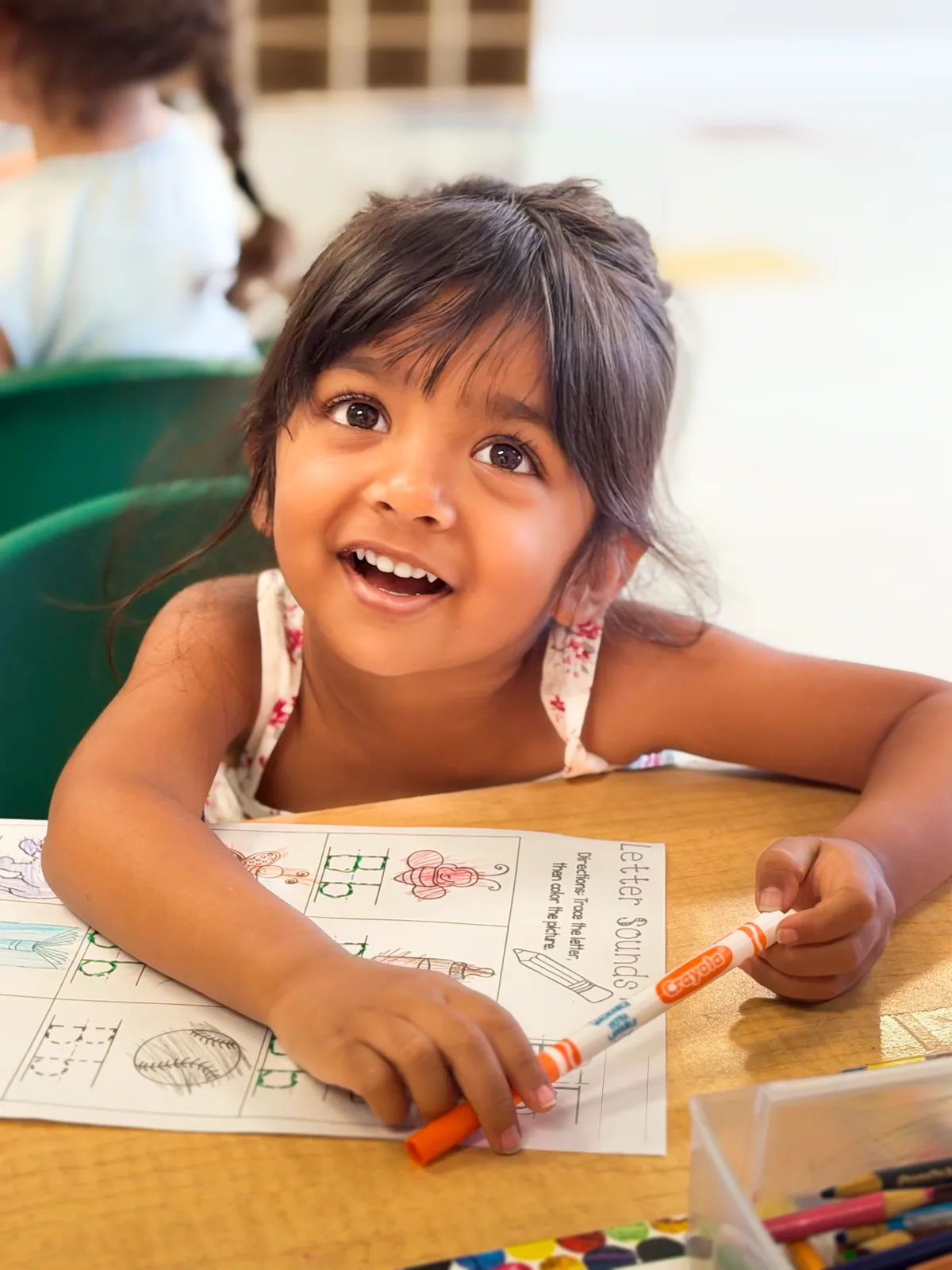
Every morning they are excited to get to school. I've never heard a single complaint from them in the last 5 years.
Lina K. Starbright parent

Questions parents ask

Answers before you visit.

What does TK cover?

Starbright TK combines Core Knowledge language and thematic domains with Singapore Math Dimensions, daily social-emotional learning, visual arts, music, movement, and play.

How is TK different from the earlier preschool years?

TK builds on the curiosity and independence children develop in preschool. Conversation becomes more precise, themes connect across the curriculum, math moves from objects toward symbols, and students practice the classroom habits that prepare them for kindergarten.

How does Starbright teach early reading skills?

Teachers build language through stories, conversation, sequencing, and the vocabulary of each Core Knowledge topic. Students hear and use words such as author, character, illustration, first, next, and after in context, never through isolated flashcard drills.

What does Singapore Math look like in TK?

Children match, sort, classify, compare, make patterns, explore shapes and sets, and compose and decompose small numbers with objects they can touch. This concrete work gives symbols meaning when they appear later.

What is included in the full day?

The school day runs from 7:30 AM to 6:00 PM. It includes classroom learning, daily social-emotional learning, art, music, movement, outdoor time, rest, and four meals prepared onsite and included in tuition.

What comes after TK?

Kindergarten is the next step in Starbright’s program. TK gives students a shared foundation in language, number sense, classroom routines, relationships, and creative expression so they can enter that year ready to participate and keep learning.

Come see Starbright in action

One visit will tell you more than any website, ours included.

Meet the teachers, explore the classrooms, and see how academic excellence and family warmth live side by side.